Best local gardeners for Bulls Cross and Crews Hill estates
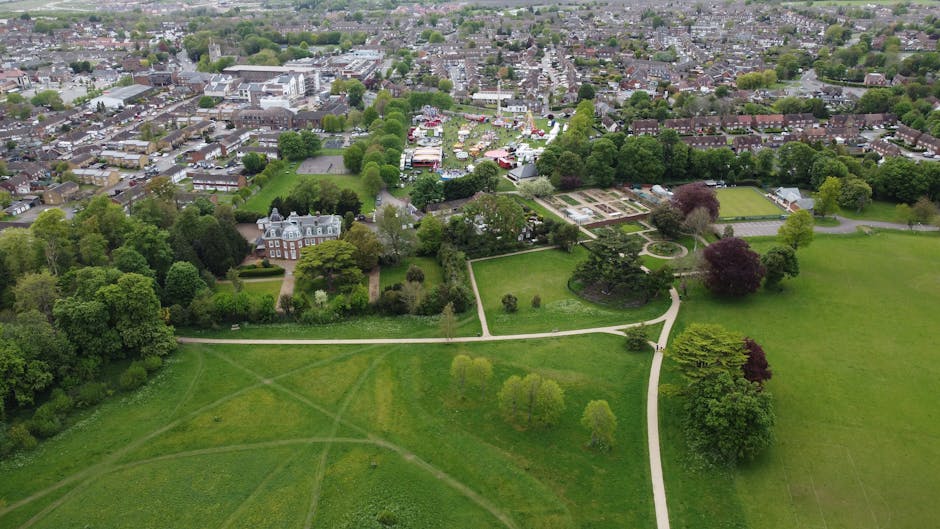
If you're looking for the Best local gardeners for Bulls Cross and Crews Hill estates, you're probably after more than a quick mow and a polite smile. You want someone who understands larger grounds, varied planting, privacy hedging, seasonal pressure, and the reality of keeping an estate garden looking consistently cared for. In this part of North London, gardens can be generous, layered, and a bit demanding. That's the charm of them. It's also why the right local gardener makes such a difference.
This guide walks you through what to look for, how a good local gardening service typically works, where the real value lies, and the mistakes that tend to cost people time and money. We'll also look at practical service choices, compliance basics, and a few real-world examples from the kind of garden jobs estates often need. No fluff. Just the useful stuff.
Why Best local gardeners for Bulls Cross and Crews Hill estates Matters
Estate gardens in Bulls Cross and Crews Hill often need a steadier hand than a standard front-and-back domestic plot. You may have boundary hedges, mature trees, broad lawns, shaded corners, drive edges, patios, and planting that changes character from one month to the next. A reliable local gardener does not just "tidy." They help the whole place work as a living, usable landscape.
That matters for a few reasons. First, regular care prevents problems from becoming expensive headaches. Ivy gets away from you. Weeds colonise paths. Lawns thin out. Hedges lose shape and privacy faster than many people expect. Second, estate grounds often set the tone for the property itself. If the outside feels ordered and healthy, everything feels better kept. It really does.
There is also the local factor. A gardener who knows the rhythms of the area is usually better at reading wind exposure, seasonal growth patterns, and how certain species behave in heavier or lighter soils. In practical terms, that means fewer guesswork decisions and more suitable work from the start.
If you are managing a larger property or a cluster of gardens, it also helps to understand the wider service picture. Services such as garden maintenance, lawn care, and hedge trimming in Crews Hill can be combined into a routine that keeps the whole site looking coherent rather than patched together. That's the difference between surviving the season and staying ahead of it.
How Best local gardeners for Bulls Cross and Crews Hill estates Works
In plain English, a good estate gardener starts by understanding the site, then plans a realistic maintenance rhythm around what the garden actually needs. Not what looks nice on a quote sheet. What the garden needs.
Typically, the process begins with an initial walkaround. This is where the gardener looks at lawn condition, hedge structure, overgrowth, drainage trouble spots, patios, beds, trees, access points, and any practical constraints. On an estate, this first look matters a lot because one area can hide problems that affect the whole site. A single neglected boundary hedge, for instance, can throw off privacy, shelter, and appearance all at once.
From there, the work is usually broken into recurring tasks and one-off improvements. Recurring tasks might include mowing, edging, pruning, weeding, leaf clearance, and seasonal tidy-ups. One-off or occasional work may include landscaping, tree surgery, fencing repairs, or a patio deep clean after a wet winter. You'll often find that the best results come when routine and project work are planned together instead of being handled separately.
On larger grounds, good gardeners also think in zones. The front approach, formal lawn, shaded perimeter, and utility corners may all need different treatment. For example, a sunny lawn zone may need more regular cutting, while a damp, shaded strip might respond better to ground cover and more selective planting. If you want ideas on that sort of planting, the article on ground cover plants for UK garden biodiversity is a useful companion read.
And yes, the best gardeners keep an eye on the boring but vital stuff too: access, waste removal, safety, timing, and communication. Not glamorous, but absolutely necessary. Gardens don't maintain themselves, annoyingly enough.
Key Benefits and Practical Advantages
Choosing a local gardener with estate experience can improve both the look and the long-term health of your grounds. The benefits go beyond neat borders and fresh stripes in the lawn.
- Better continuity: the same team sees patterns over time, so problems are spotted earlier.
- More suitable planting advice: local knowledge helps with shade, exposure, wind, and seasonal changes.
- Cleaner presentation: hedges, paths, lawns, and beds all look more intentional when maintained as one system.
- Lower risk of garden decline: neglected corners are often where the costly issues begin.
- Improved usability: outdoor spaces become more pleasant for residents, guests, tenants, or staff.
- Flexible support: you can scale from routine upkeep to one-off remedial work when needed.
There is also a financial angle, though it's worth being realistic. The point is not magic savings. The point is avoiding expensive catch-up jobs. A garden that is handled steadily is usually cheaper to recover than one allowed to run wild for a season or two. If you've ever stared at a bramble patch and thought, "well, that escalated quickly," you'll know exactly what I mean.
Local gardeners can also help you make sensible small changes that save time later. For instance, switching awkward, weed-prone borders to more resilient planting, or shaping a hedge so it remains manageable. In the long run, this kind of practical adjustment matters more than dramatic makeover talk.
For readers who want a little efficiency inspiration, the guide on easy garden ideas that save time and money is a good place to start, especially if you are balancing upkeep with a busy household or property schedule.
Who This Is For and When It Makes Sense
This service makes sense for a surprisingly wide range of people. If your garden is bigger than average, has mixed planting, or needs consistent standards, the value is obvious. But even smaller properties within estate grounds can benefit from the right support.
It is especially useful for:
- estate managers overseeing communal or shared outdoor spaces
- homeowners who want a reliable, local, long-term gardening partner
- landlords or property managers needing presentable grounds between tenancies
- families wanting a safe, tidy, easy-to-use outdoor space
- people with mature gardens that need specialist care rather than casual trimming
It also makes sense when you are seeing recurring issues rather than one-off mess. Persistent weeds, patchy lawns, overgrown hedges, and tired planting are usually signs that a site needs structure, not just a quick tidy-up. That is where a local gardener with proper judgement earns their keep.
For some estates, the priority is privacy. For others, it's access and neatness. Some need child-friendly layouts, some need dog-friendly practicality, and some just need the place to stop looking tired on a Monday morning. There's no single template, and that's the point.
If pets are part of the picture, a few design choices make life easier. The article on dog-friendly garden planning offers good background on making outdoor areas safer and less frustrating for everyone involved.
Step-by-Step Guidance
If you are comparing local gardeners for Bulls Cross and Crews Hill estates, the process is easier when you break it into clear steps. Don't rush the first call. It's a bit like choosing someone to care for the outside face of your property; you want judgement, not just enthusiasm.
- Define the outcome you want. Be specific. Do you need weekly upkeep, seasonal clearance, hedge control, lawn improvement, or help with neglected areas?
- List the site features. Note lawn size, hedge lengths, tree cover, slopes, difficult access, patio areas, and problem spots.
- Decide what must be done regularly. Mowing, edging, weeding, pruning, and sweeping may need a fixed rhythm.
- Separate maintenance from projects. A once-off overhaul is different from ongoing care. Both matter, but they should be quoted and planned separately.
- Ask how the work will be scheduled. Weekly, fortnightly, monthly, or seasonal visits each suit different estates.
- Confirm safety and access. Check how waste is handled, whether equipment is suitable, and how the team works around residents, vehicles, or pets.
- Review the quote properly. Look for clarity on labour, materials, disposal, and any extras. Vague pricing usually leads to awkward conversations later.
One small but useful habit: walk the site before agreeing anything. Even ten minutes outside can reveal a lot. A patch of choking ivy, a shaded dead zone, a cracked edge by the patio, or a hedge that has quietly become a privacy problem. The garden tells on itself, eventually.
If your estate has a lot of vertical surfaces, walls, and awkward boundaries, there are smart ways to turn them into design features rather than maintenance problems. The piece on vertical gardening ideas is worth a look if you want to make the most of limited ground space.
Expert Tips for Better Results
Here's the short version: the best garden maintenance plans are simple, consistent, and realistic. Fancy plans collapse when the weather turns or no one has time to stick to them.
A few field-tested tips:
- Prioritise the highest-visibility areas first. Entrances, drive borders, and main lawns influence first impressions more than side corners.
- Don't over-prune in one go. Especially with hedges and mature shrubs, a careful shape is usually better than a brutal cut.
- Treat weeds early. The article on expert weed control tips is a useful reminder that small weed outbreaks are easiest to handle before they spread.
- Build in seasonal jobs. Autumn clearance, winter protection, spring recovery, and summer shaping all have their place.
- Use planting to reduce future work. Ground cover, evergreen structure, and the right shrubs can simplify maintenance without making the garden dull.
Another good habit is to think in terms of resilience. A garden that handles wind, shade, frost, and heavy foot traffic without constant fuss is worth more than one that looks perfect for three weeks and then melts into trouble. British weather likes to keep us humble, doesn't it?
If you're planning hedges for screening, it helps to compare growth habits rather than choosing only by appearance. The guide to fast hedges for privacy is useful for understanding the trade-offs between speed, density, and maintenance load.
Common Mistakes to Avoid
A lot of garden disappointment comes from a few predictable mistakes. The good news? They're easy enough to avoid once you know what to watch for.
- Choosing purely on price. Cheap quotes can look attractive until they miss key work or charge extras later.
- Skipping the site visit. Photos help, but they don't tell the whole story on larger grounds.
- Ignoring hedge and tree boundaries. These often become the loudest problems if not managed properly.
- Leaving seasonal work too late. Once growth has surged or leaves have fallen everywhere, the job gets bigger and messier.
- Expecting one visit to fix everything. Estate gardens usually need a plan, not a miracle. Sorry, but there it is.
- Forgetting access and waste handling. If cuttings and debris aren't removed efficiently, the site can look untidy again almost immediately.
One very common oversight is failing to match the service to the space. For example, a lawn that needs close, regular attention should not be treated like a "when we get around to it" patch. Likewise, a neglected corner full of ivy may need remedial work before routine maintenance even makes sense.
When a property has gone beyond basic upkeep, it helps to reset expectations and plan a proper recovery. The article on garden overhaul planning gives a sensible picture of how to approach that sort of project without getting overwhelmed.
Tools, Resources and Recommendations
Good gardeners bring more than a mower. The right tools, scheduling habits, and maintenance methods all matter, especially on larger estates where consistency is the real challenge.
Useful tools and practices often include:
- quality hand tools for detailed pruning and edging
- reliable mower equipment suited to the lawn size
- hedge trimmers for shaping and maintenance
- leaf collectors or clearance equipment for autumn work
- mulch, compost, and soil improvers for bed health
- clear job scheduling so seasonal work isn't forgotten
For readers interested in the basics behind a gardener's kit, tools of the trade is a simple, practical read. It is especially useful if you are trying to understand what a well-equipped gardener should arrive with.
On the resource side, there are also useful planning ideas for spaces that serve specific functions. If your estate includes seating areas, sheltered corners, or places where people linger over a coffee in the morning light, the article on garden seating ideas offers thoughtful direction. For more reflective spaces, zen garden design ideas may help shape a calmer, lower-clutter feel.
And if the garden needs to support a more eco-minded approach, the post on composting garden waste into rich soil is worth a read. Composting, done sensibly, is one of those unglamorous habits that pays off quietly for years. No drama, just better soil. Lovely.
Law, Compliance, Standards, or Best Practice
For domestic and estate garden work in the UK, the exact compliance picture depends on the task. Routine gardening is fairly straightforward, but tree work, waste disposal, access arrangements, electrical equipment, and contractor safety all deserve proper attention.
At a practical level, you should expect a professional gardener or grounds team to follow sensible health and safety procedures, use equipment appropriately, and work in a way that protects occupants, visitors, and the site itself. On larger properties, that can mean safer manual handling, careful use of powered tools, and clear separation between work zones and public areas.
Tree work is the most obvious area where extra care is needed. Anything involving pruning, felling, storm damage, or dangerous branches should be handled by suitably experienced professionals. If the job is beyond normal garden maintenance, it's better to treat it as specialist work rather than assume it's a simple add-on.
It is also wise to ask about insurance, waste handling, and written terms before work begins. That's not being difficult. It's just sensible. A trustworthy provider should be comfortable explaining how they operate and how they manage risk.
If you want to see how a responsible local service frames those concerns, the pages on insurance and safety, health and safety policy, terms and conditions, payment and security, and privacy policy are all useful reference points. For service expectations more broadly, the pages on complaints procedure and pricing and quotes can also help set the right standards of transparency.
Finally, if you are weighing up providers, it helps to know whether they operate with proper internal policies and responsible business practices. The pages on accessibility, cookies, and modern slavery statement are part of that wider trust picture too.
Options, Methods, or Comparison Table
When choosing support for Bulls Cross and Crews Hill estates, it helps to compare the main ways people approach garden care. The right answer depends on budget, size, pace of growth, and how polished the grounds need to stay.
| Approach | Best for | Strengths | Limitations |
|---|---|---|---|
| Regular maintenance visits | Estates that need consistent presentation | Predictable upkeep, fewer surprises, easier planning | Less suitable if the garden is already heavily neglected |
| One-off tidy-ups | Seasonal resets or short-term improvements | Fast visual improvement, useful after a busy period | Problems return quickly without follow-up care |
| Remedial garden work | Overgrown or neglected areas | Good for recovery, structure restoration, and clear improvement | Can take more time and careful planning |
| Combined maintenance and landscaping | Sites needing upkeep plus layout changes | Efficient long-term planning, better overall cohesion | Needs clear scope and communication |
For many estates, the best route is a blended one. Ongoing maintenance keeps standards up, while occasional larger jobs handle the structural issues. You know, the stuff people only notice once it starts looking tired.
If hard surfaces are part of the job, a gardener or grounds team may also need support with patio cleaning, lawn mowing, or even fencing where boundaries or privacy have started to fail. In some cases, tree surgery or landscaping may be the smarter long-term choice. It depends on the site, not a sales script.
Case Study or Real-World Example
Let's take a realistic example. A mixed estate property in the Bulls Cross and Crews Hill area has a front approach that looks fine in spring but becomes patchy by late summer. The hedges are uneven, the lawn edges are soft, and a shady perimeter has turned into a weed and ivy battle. Nothing dramatic on its own. Together, though, it gives the whole place a slightly run-down feel.
The first sensible move is a site reset. The garden team clears the worst overgrowth, shapes the hedges, trims the borders, and brings the lawn back to a manageable condition. Then they reassess. Which areas get more shade? Where does water sit after rain? Which spots need ground cover rather than repeated fighting? That's usually where the real gains happen.
In this kind of scenario, a strong local gardener might suggest a maintenance rhythm for the main lawn, hedge shaping before growth peaks, and targeted planting for difficult areas. A separate review might also show that the patio needs a proper clean before it becomes slippery and dull-looking. The work looks simple from the outside, but the order matters. Always.
The nice thing about this approach is that the garden stops being a recurring headache and starts becoming part of the property's value again. Not overnight, of course. Gardens have their own pace. But the change is noticeable within a season if the plan is sensible.
If your estate includes herb beds, container displays, or smaller decorative spaces, there are also useful ways to make them more rewarding and less fragile. See herb garden ideas and container gardening tips for practical direction.
Practical Checklist
Before you choose a gardener for estate work, run through this checklist. It keeps the conversation focused and saves a lot of back-and-forth later.
- Do they understand larger grounds and mixed-use gardens?
- Can they explain what they would do in the first visit?
- Do they offer both routine maintenance and project work if needed?
- Have they discussed access, timings, and waste removal clearly?
- Do they seem comfortable with hedges, lawns, beds, and harder landscaping tasks?
- Is their pricing explained in plain language?
- Do they have sensible policies around safety and complaints?
- Can they talk realistically about seasonal pressures and the local climate?
- Do they give you confidence that the site will be treated consistently, not just once?
And one more, quietly important point: do they listen? A good gardener should ask questions before offering big promises. If they do that, you're usually in safe hands.
Get a free quote today and see how much you can save.
Conclusion
The best local gardeners for Bulls Cross and Crews Hill estates are the ones who combine practical skill, local understanding, and steady follow-through. They know that estate gardens are living spaces, not weekend projects. They know the value of routine. They know when to prune, when to reset, and when to stop fussing and let the planting do its work.
If you want grounds that feel cared for rather than merely cut back, look for clear planning, sensible communication, and a service that treats the whole site as one connected landscape. That's what turns maintenance into real improvement. And truth be told, it's what makes outdoor space a pleasure to walk through on an ordinary Tuesday morning, not just on a sunny bank holiday.
When you're ready, take the next step with a team that understands the area, the pace, and the standard you want to keep. A well-kept garden quietly changes the mood of a place. Sometimes, that's exactly what a property needs.
Frequently Asked Questions
What should I look for in local gardeners for estate properties?
Look for experience with larger or multi-zone gardens, clear communication, regular scheduling, and the ability to handle both maintenance and occasional remedial work. For estate settings, consistency matters just as much as skill.
Are Bulls Cross and Crews Hill gardens likely to need different care from smaller city gardens?
Often, yes. Estate gardens can have more hedging, mature planting, lawn area, and exposed edges. That usually means more seasonal planning and more varied maintenance than a small urban plot.
How often should an estate garden be maintained?
It depends on growth rates, layout, and how polished the grounds need to stay. Some sites need weekly or fortnightly visits, while others can run on a seasonal schedule with extra visits for hedge work or leaf clearance.
Is it better to choose a gardener or a landscaping company?
If your main need is ongoing upkeep, a gardener is usually the best fit. If the site also needs structural changes, new layout work, or heavy remedial improvements, a landscaping-capable team may be more appropriate. Sometimes you need both.
What services are most useful for estate gardens?
Commonly useful services include garden maintenance, lawn care, lawn mowing, hedge trimming, patio cleaning, fencing, tree surgery, and landscaping. The right mix depends on the condition and style of the grounds.
How do I know if a quote is fair?
A fair quote should explain what is included, how often visits happen, whether waste removal is covered, and if any additional work could change the price. If the quote is vague, ask for more detail before agreeing.
Can local gardeners help with overgrown or neglected areas?
Yes. In many cases, the first stage is a garden overhaul or reset, followed by regular maintenance to prevent the same problems coming back. That approach is usually more effective than trying to maintain a neglected site without first correcting the basics.
Do I need to worry about safety and insurance?
Absolutely. Ask whether the provider has appropriate safety procedures and insurance, especially if tree work, powered tools, or access near buildings and driveways is involved. Responsible contractors should be able to explain this plainly.
Can gardeners help make a garden more private?
Yes, very much so. Hedges, screening planting, and smart boundary work can all improve privacy. The right choice depends on how quickly you need screening and how much maintenance you want to take on afterwards.
What if my garden has shade, wind, or poor soil?
A good local gardener should adjust the planting plan and maintenance routine to match those conditions. Shade-tolerant climbers, ground cover, compost improvement, and wind-aware planting can all help the garden become more stable and easier to manage.
Should I choose a gardener who knows the local area?
Usually yes. Local knowledge helps with seasonal timing, plant selection, exposure, and the sort of practical decisions that keep an estate garden looking good over time. It's one of those things that seems minor until you've lived with the results.
What's the best first step if I'm comparing providers?
Start with a site review and a clear explanation of what you want done. Then compare how each provider responds: do they ask good questions, notice the right issues, and offer a realistic plan? That tells you more than a slick pitch ever will.