Crews Hill gardeners solutions for steep drives and narrow gates
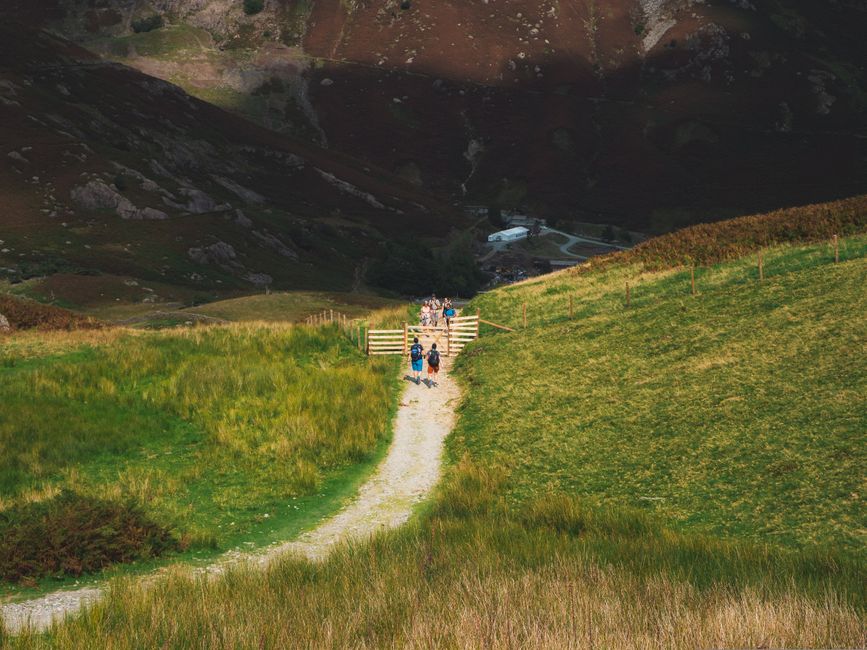
Steep drives and narrow gates can turn simple garden work into a bit of a faff. A mower that looks perfect on paper may not fit through the gate, a wheelbarrow can feel like it has a grudge on the slope, and even a tidy planting plan can become awkward if access is tight. That is exactly why Crews Hill gardeners solutions for steep drives and narrow gates need to be practical first and pretty second.
In Crews Hill, homes often mix mature plots, sloping access, compact side returns, and older boundary layouts. The result? Gardeners have to think about access, safety, materials, and sequencing, not just plants and finish. This guide breaks down what works, why it matters, and how to approach the job without making the drive or gate the enemy. You will get sensible options, common mistakes to avoid, and a real-world way to decide what belongs in the garden and what should stay outside the gate.
Why Crews Hill gardeners solutions for steep drives and narrow gates Matters
Access issues change everything. A garden on a slope is not just "harder"; it affects how people move, where water goes, how materials are carried, and which maintenance routines are realistic. Narrow gates add another layer because many standard tools, waste bags, compost bins, slabs, and even soil deliveries assume there is generous access. There often isn't.
That matters for three reasons. First, safety: slopes can become slick, especially after rain or frost. Second, efficiency: every extra trip through a narrow entrance adds time and strain. Third, design quality: if access is awkward, the garden tends to be maintained less often, and small issues grow quietly into bigger ones. We see this all the time with neglected corners, overgrown edges, and tired lawns that were never the real problem in the first place. The access was.
For many households, the drive also serves as a working route, not just a parking space. So any garden plan has to respect traffic, drainage, visibility, and the fact that people still need to get bins, bikes, and tools in and out without a gymnastics routine. To be fair, that is where a thoughtful gardener earns their keep.
Expert summary: if the access is tight, the best garden solution is rarely "more force" or "bigger equipment". It is usually a combination of smarter planning, smaller modular materials, safer staging, and planting choices that reduce ongoing labour.
How Crews Hill gardeners solutions for steep drives and narrow gates Works
The core idea is simple: break the job into access, movement, safety, and finish. Instead of treating the entire garden as one open space, skilled gardeners map how every item gets in, where it can be stored, and how it will be used. That includes everything from a hedge trimmer to paving sand, from pruning waste to a new trellis panel.
On a steep drive, gardeners often work with load movement rather than brute lifting. That can mean using smaller containers, lighter bags, staged deliveries, and short working routes. On a narrow gate, the planning may involve choosing compact tools, flexible materials, or installation methods that can be carried through in sections. A full-size solution that cannot physically reach the site is not a solution at all. Simple, but easy to overlook.
The gardening plan itself is often adjusted too. For example, plants that need less frequent pruning, edging, or deadheading are useful where access is awkward. So are gravel-led designs, ground cover planting, vertical features, and stepped beds that reduce the amount of carrying up and down a slope. If the property needs privacy or structure, a slimmer hedge line or trained climber can be more practical than a bulky border that demands heavy maintenance.
If you want a good example of that kind of thinking in action, the ideas in this vertical gardening guide show how height and layering can work beautifully when ground access is limited.
Key Benefits and Practical Advantages
- Safer day-to-day maintenance: less rushing up slopes with heavy loads, less risk of slips, and fewer awkward turns through tight spaces.
- Better long-term upkeep: a garden designed for the access it actually has is more likely to stay tidy, healthy, and manageable.
- Lower labour strain: compact tools, staged work, and lighter materials reduce wear on the body. Your back will appreciate that, honestly.
- Cleaner finishes: when a design suits the site, edges, beds, and surfaces are easier to maintain neatly.
- Smarter spending: fewer repeated fixes, less wasted material, and fewer "we'll have to redo that" moments.
- More usable space: good access planning can free up the actual garden rather than letting the drive dominate everything.
There is also a visual benefit people sometimes miss. Gardens with difficult access can drift toward clutter because items get left where they are easiest to drop. Once a layout is adjusted for the slope and gate width, the whole place tends to feel calmer. Less blocked. Less apologetic. A bit more like a garden again.
If privacy is part of the brief, it helps to think compactly rather than expansively. A relevant next read is these fast hedge ideas for garden privacy, because dense screening does not have to mean oversized planting.
Who This Is For and When It Makes Sense
This approach suits anyone whose garden access is inconvenient enough to affect regular care. That includes homeowners with steep driveways, terraced homes with narrow side gates, older properties with tight masonry entrances, and family gardens where a pushchair, wheelbarrow, or pet run already takes up most of the available width.
It also makes sense if you are planning a larger change but do not want the access problem to become the project bottleneck. Maybe you want a new lawn, a planting refresh, or a more functional patio. If delivery access is limited, the design has to fit the route as much as the plot. Otherwise the job becomes stop-start, and stop-start jobs tend to cost more time and energy. That is just how it goes.
There is a point where a garden is technically fine but practically annoying. If you notice yourself delaying pruning, avoiding hedge cutting, or leaving bags of waste because the exit is a pain, you are already in that territory.
For some people, the best first move is not a full redesign but a maintenance reset. If that sounds familiar, the broader approach discussed on garden maintenance support may be a better fit than starting with major construction.
Step-by-Step Guidance
- Measure the access properly. Check gate width, turning space, slope angle, surface condition, and the width of the drive where tools or materials will move. Measure twice. It saves a lot of awkwardness later.
- Identify the real pinch points. Is it the gate, the steps, the gradient, or the lack of landing space once inside? Often the obstacle is not the one people first blame.
- Decide what must physically pass through the gate. Mowers, sacks, paving, sleepers, fencing sections, compost, and waste all have different transport needs. Break the job down before the job breaks you.
- Choose access-friendly materials. Smaller modules, lighter aggregates, flexible edging, and sectional features are usually better than oversized one-piece installations.
- Plan movement and storage. Think about where waste will sit temporarily, where tools will rest, and how people will move without crossing the same slope repeatedly.
- Match planting to maintenance reality. Prefer species and layouts that suit the level of access you actually have. Low-fuss planting beats ambitious planting that never gets enough care.
- Build in drainage and grip. Steep drives become miserable if water runs across them or moss builds up. Surface texture and drainage should be part of the plan, not an afterthought.
- Schedule work in sensible phases. One day for clearance, one for hard landscaping, another for planting or finishing. Small phases can be safer and cleaner.
Where the layout needs a more structural rethink, local expertise in garden landscaping is often the practical route, especially if levels, paths, or access routes need redesigning rather than just tidying.
Expert Tips for Better Results
Keep the heaviest work closest to the easiest access point. If a wheelbarrow struggles on the slope, do the bulk loading as near to the gate as possible and move only what is essential deeper into the garden. It sounds obvious. It still gets forgotten.
Use structure to reduce future effort. A well-placed fence, wall, trellis, or screen can simplify the planting palette and keep maintenance routes clearer. For inspiration on screening and boundary planning, the article on hedge trimming shapes is useful because the shape of a hedge affects access almost as much as the species.
Think in layers, not just in square metres. On difficult access sites, ground cover, climbers, and smaller shrubs often outperform large, sprawling beds. You get visual depth without creating a maintenance headache. If that sounds like your situation, ground cover planting ideas can help make slope management feel more intentional.
Do not overload the drive with decorative clutter. Bottlenecks happen quickly. A single overlarge planter can make moving a mower feel like a narrow escape scene. Mildly dramatic, yes, but true.
Use seasonal timing intelligently. Wet weather makes steep surfaces more hazardous, so many access-heavy jobs are better planned for dry windows. Early morning frost, late-autumn leaf fall, and winter damp all change the risk picture.
Keep the garden simple enough to survive a busy week. If you cannot maintain it when life gets hectic, it is too complicated. That one rule saves a lot of regret.
Common Mistakes to Avoid
- Buying standard-size materials without checking access. A panel, slab, or bag may be perfect in the catalogue and impossible on site.
- Ignoring drainage on slopes. Water movement can undermine surfaces, wash soil, and create slippery algae-prone areas.
- Using bulky planting where light maintenance is needed. Oversized borders can trap debris and reduce visibility on narrow routes.
- Underestimating waste removal. Green waste, old soil, broken edging, and packaging all need a route out. Not glamorous, but central.
- Designing for looks only. A beautiful idea that cannot be maintained through the gate will not stay beautiful for long.
- Trying to do everything in one go. On access-restricted gardens, rushed work usually means damage, missed details, or unnecessary strain.
One small but common oversight: people plan the new feature and forget the maintenance path. If a hedge can only be reached by squeezing sideways past a wall and a dustbin, it will not be trimmed as often as it should. The garden then starts to manage you, which is never the goal.
Tools, Resources and Recommendations
For steep drives and narrow gates, the best toolkit is often a mix of compact equipment and practical handling aids. A lightweight mower, narrow hand tools, folding saws, secateurs, pruning loppers, sturdy gloves, and a manageable barrow or carrier all make a difference. The aim is not to own more kit. It is to own kit that actually fits the site.
It also helps to keep a few home truths in mind about materials. Modular paving, sectional fencing, small-batch mulch, and lighter compost can be easier to move than large-format alternatives. For working around tight routes, the overview in tools of the trade is a handy reminder that the right kit is often the quiet hero of a smooth job.
When planning the planting side, the following types of resources tend to be useful:
- Ground cover planting plans for stabilising edges and softening slopes
- Vertical planting ideas where floor space is limited
- Shade-tolerant climbers for narrow side returns or enclosed gates
- Low-maintenance border structure to reduce frequent access demands
If the garden has awkward shade, the advice in this guide to evergreen climbers can be especially useful, because climbers often solve space problems where ground beds simply cannot.
And if your issue is more about getting started after a long pause, this garden overhaul article pairs nicely with access-led planning. Neglected gardens often need a route plan before they need anything fancy.
Law, Compliance, Standards, or Best Practice
For this topic, the key standards are really about safety and good practice rather than complex legal thresholds. In the UK, anyone carrying out garden work should think carefully about safe manual handling, sensible use of equipment, and prevention of slips, trips, and falls. On steep drives, that means keeping surfaces clear, choosing stable footwear, and avoiding overloading carry items. On narrow gates, it means not forcing oversized materials through openings where damage or injury could happen.
If work involves excavation, retaining changes, drainage adjustments, boundary alterations, or tree work near access routes, extra care is needed. Local conditions, neighbour boundaries, and site layout can all affect what is reasonable. Where a project touches structures, drainage, fencing lines, or access changes, best practice is to plan cautiously and use appropriate professional judgment rather than guesswork.
Responsible contractors also tend to carry insurance, follow health and safety procedures, and communicate clearly about access risks before they start. If you are comparing providers, it is sensible to ask how they manage restricted access and whether they have a clear safety process. A good place to look for that reassurance is the company's insurance and safety information and related policies such as the health and safety policy.
For transparency around how a service handles complaints, payment, or wider terms, it is also worth checking the practical pages on complaints procedure, payment and security, and terms and conditions. That may sound dull, but it tells you a lot about how organised the business is. Dull in the good way.
Options, Methods, or Comparison Table
There is rarely just one way to handle an access-heavy garden. The right method depends on whether the main challenge is movement, maintenance, installation, or all three. Here is a practical comparison.
| Method | Best for | Strengths | Limitations |
|---|---|---|---|
| Compact maintenance planning | Routine care on sloped or narrow sites | Low disruption, quicker upkeep, less strain | Does not solve structural access issues on its own |
| Modular hard landscaping | Paths, edging, patios, and steps | Easier to carry, install, and adjust | May need careful design to avoid a patchwork look |
| Vertical and climber-led planting | Narrow plots and side returns | Big visual impact with less ground use | Requires suitable supports and pruning |
| Full access redesign | Severe slope or very tight entrances | Most effective long term | More planning and upfront effort |
Most real gardens end up using a blend. For instance, you might keep the current drive but improve grip and drainage, then use sectional planting and a more efficient route to the rear garden. That mixed approach is often the least dramatic and the most sensible.
Case Study or Real-World Example
Imagine a Crews Hill property with a steep front drive, a narrow side gate just wide enough for one person at a time, and a back garden that has become more storage yard than relaxing space. The owners want it tidied, planted, and made easier to maintain. Not a full rebuild, just a proper reset.
The first move would be to clear access, then assess where material delivery can realistically happen. In a case like this, a gardener might split the work into three phases: remove clutter and waste, improve the most slippery or awkward surfaces, and then replant with low-maintenance structure. A narrow gate might rule out big pre-assembled items, so borders, trellis, and edging may be brought in smaller sections. If the drive is the safest route for heavier loads, the work plan would use that route rather than fighting against it.
What changed the feel of the garden in a setup like this was not one dramatic feature. It was the cumulative effect of access-aware choices: smaller loads, a cleaner route, more vertical structure, and planting that did not demand constant rescue. The garden became easier to move through, easier to sweep, and easier to keep under control. That is the real win. Not perfection. Ease.
In situations like this, a practical service pathway often begins with general gardening support and then narrows into landscaping or fencing if the access issue is tied to boundaries or layout.
Practical Checklist
- Measure the gate opening, drive width, and steepest part of the slope
- Check whether wheelbarrows, mowers, or waste bags can move safely
- Identify the best route in and out for tools and materials
- Look for drainage problems, moss, or slippery patches on the drive
- Choose compact, sectional, or lighter-weight materials where possible
- Match planting to access levels, not just to visual preference
- Keep maintenance paths clear before adding decorative features
- Schedule work in phases if the site is tight or sloped
- Ask about insurance, safety, and site handling before any larger project
- Review whether the current layout is helping or fighting the way you use the garden
If you are at the "I know this needs sorting, I just do not want to make it worse" stage, that is completely normal. A careful first assessment goes a long way.
Conclusion
Crews Hill gardeners solutions for steep drives and narrow gates are really about turning awkward access into manageable, repeatable routine. The best outcome is not simply a prettier garden, but one that can be reached, maintained, and enjoyed without dreading every trip through the gate or every pass up the slope. Once the access problem is treated as part of the design, everything gets easier: planting, cleaning, mowing, repairs, and even the mood of the whole space.
That is the quiet truth here. Good garden work is often invisible because it removes friction before you notice it. If the route is safer, the materials fit, and the planting suits the site, the garden begins to feel calm again. And that calm is worth a lot.
Get a free quote today and see how much you can save.
If you are ready to discuss a difficult-access garden, you can also learn more about the team through the about us page or make an initial enquiry via the contact page. Sometimes the simplest next step is just getting a proper look at the space.
Frequently Asked Questions
What are the best gardening solutions for a steep drive and narrow gate?
The best solutions usually combine compact tools, sectional materials, phased work, and planting that needs less heavy maintenance. If the site is very tight, access-aware landscaping is often the smartest route.
Can a garden still look good if access is difficult?
Absolutely. In fact, some of the most elegant gardens are designed around constraints. Vertical planting, slim borders, climbers, and clear routes can make a compact or sloped space look sharper, not worse.
How do gardeners move materials through a narrow gate?
They often use smaller loads, split deliveries, lighter bags, and sectional products that can be carried through in parts. It is less dramatic than you might imagine, just more organised.
Are steep drives dangerous for garden maintenance?
They can be, especially in wet, frosty, or mossy conditions. Safe footwear, sensible timing, and reduced load sizes all help lower the risk.
What plants work well where access is limited?
Low-maintenance shrubs, ground cover, climbers, and hardy species that do not need frequent intervention are usually the most practical. The key is choosing plants that suit how often you can reach them.
Should I replace hard landscaping if the gate is too narrow?
Not always. Sometimes a full replacement is unnecessary. In many cases, modular repairs, improved drainage, or a revised layout are enough. A proper site assessment matters more than assumptions.
Is landscaping more expensive on restricted-access sites?
It can be, because restricted access often means more manual handling and more time on site. That said, careful planning can reduce waste, prevent mistakes, and avoid expensive rework.
What is the biggest mistake people make with steep garden drives?
The biggest mistake is designing for appearance without considering movement. If the route is awkward, the garden often becomes harder to maintain and can slip into neglect.
Can hedge trimming and pruning be done safely on a slope?
Yes, but it should be planned carefully. Good footing, stable positioning, and manageable tools are essential. For complex hedge work, a dedicated hedge-trimming service can be the safer option.
How do I know whether I need gardening or landscaping help?
If the issue is mainly routine upkeep, gardening support may be enough. If the access route, levels, or structure need changing, landscaping is usually the better fit. Many projects need a bit of both.
Do I need to think about insurance and safety checks?
Yes. Any contractor working on a steep or tight site should have sensible safety procedures and appropriate cover. That is not overcautious; it is just good practice.
What should I ask for before booking work on a difficult-access garden?
Ask how the work will be carried in, how waste will be removed, whether any materials need to be split into smaller loads, and how the team manages safety on slopes. Clear answers are a very good sign.