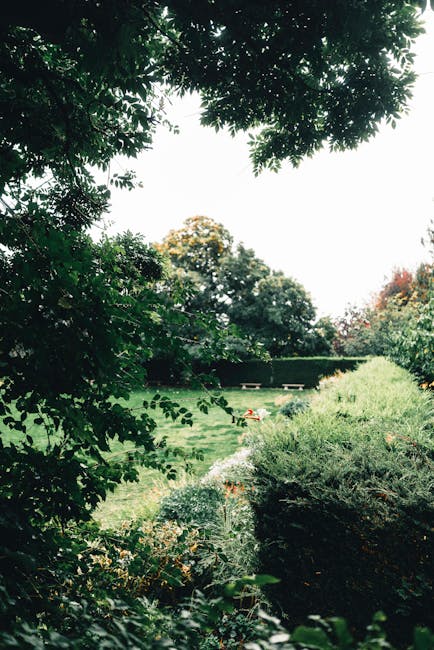
Domestic garden care Crews Hill Lane EN2 local gardeners guide
If you are trying to keep a garden tidy, healthy, and genuinely enjoyable in Crews Hill Lane EN2, you already know it is rarely just one job. It is the lawn that needs attention, the hedge that has started leaning into next door's side, the patio that has gone slick, the borders that look tired, and the planting that seems to do fine one month and sulk the next. This Domestic garden care Crews Hill Lane EN2 local gardeners guide pulls the whole picture together so you can make better decisions, avoid common mistakes, and get a garden that fits real life rather than idealised magazine weather.
Whether you want a little routine help or a more structured maintenance plan, the goal is the same: less stress, better results, and a garden that feels looked after rather than constantly catching up. Let's be honest, most domestic gardens do not fail because people do not care. They fail because care gets spread too thin. That is exactly where local gardeners and sensible planning make a difference.
Table of Contents
- Why domestic garden care matters in Crews Hill Lane EN2
- How local domestic garden care works
- Key benefits and practical advantages
- Who this is for and when it makes sense
- Step-by-step guidance
- Expert tips for better results
- Common mistakes to avoid
- Tools, resources and recommendations
- Law, compliance, standards and best practice
- Options, methods and comparison table
- Case study or real-world example
- Practical checklist
- Conclusion
- Frequently asked questions
Why Domestic garden care Crews Hill Lane EN2 local gardeners guide Matters
Domestic garden care is more than occasional mowing or a quick tidy-up before guests arrive. In a typical EN2 home, the garden is asked to do a lot: provide privacy, look good from the house, handle seasonal weather, support wildlife, and still stay practical for everyday use. That is a lot of pressure for a patch of lawn and a few borders.
Crews Hill Lane sits in an area where gardens often mix mature planting, paving, hedging, fences, and access routes that need regular upkeep. If one part slips, the whole space starts to feel neglected. Weeds move fast. Ivy gets comfortable. Grass thins out. And once a garden starts drifting, putting it right can take much longer than people expect.
That is why local knowledge matters. A gardener familiar with domestic gardens in EN2 understands the rhythm of the area: what tends to struggle in shade, where wind exposure can be an issue, how quickly growth can surge in the warmer months, and how to keep things manageable without overdoing it. A good plan is not about making the garden high-maintenance in a prettier outfit. It is about reducing the friction.
Expert summary: the best domestic garden care is steady, seasonal, and realistic. If your plan matches how you actually live, it will last. If it only works on paper, it will not.
If you are in the middle of a garden reset, a general tidy, or a longer-term maintenance arrangement, it can help to compare the work with broader services such as regular garden maintenance and related support from experienced local teams. If you want to know more about the people behind the service, the about us page is a sensible place to start.
How Domestic garden care Crews Hill Lane EN2 local gardeners guide Works
Domestic garden care works best when it is broken into repeatable jobs rather than treated as one big seasonal panic. In practice, a gardener will usually assess the space, identify priorities, and build a routine around what the garden actually needs.
That might include mowing, edging, hedge trimming, border weeding, pruning, pressure washing or patio cleaning, leaf clearance, watering support, and general tidy-ups. Sometimes there is also a bigger-picture conversation: should the garden be made easier to maintain? Is privacy lacking? Is there a patch that never thrives? Are there awkward corners that collect debris and become a nuisance?
Here is the real-world bit people often miss: good garden care is not only about labour. It is about sequencing. Do the important jobs first, do the messy jobs at the right time, and do not prune or cut simply because the tools are already in your hand. Easy mistake. Very common too.
A reliable local gardener will usually look at:
- the current condition of grass, shrubs, hedges, and beds
- how much shade, wind, and moisture the garden receives
- what needs urgent attention versus what can wait
- access points, waste removal, and any safety concerns
- whether the garden is mainly ornamental, family-focused, pet-friendly, or low-maintenance
If you need a more structured service for the outdoor areas around the house, it helps to look at local gardening services, lawn care, and patio cleaning as complementary options rather than isolated tasks. Gardens usually work better when the whole space is treated as one system.
Key Benefits and Practical Advantages
There are plenty of reasons homeowners choose domestic garden care, and most of them are practical rather than glamorous. A tidy garden is easier to enjoy, of course, but it also reduces the knock-on problems that come from neglect.
- Less overwhelm: small, regular visits stop jobs from building into something daunting.
- Healthier planting: consistent pruning, feeding, and weed control give plants a better chance.
- Better presentation: the whole property feels cared for, which many homeowners notice straight away.
- Safer surfaces: mossy paths, cluttered edges, and overgrown steps are easier to manage.
- More usable outdoor space: seating areas, play zones, and paths become genuinely usable again.
- Long-term savings: routine care usually costs less than major correction work after months of neglect.
There is also a quieter benefit that is hard to measure: peace of mind. You glance out of the window and the view is calm, not nagging. That matters more than people admit.
If you are trying to save time as well as money, the right service mix can make a surprising difference. Simple improvements like better hedge shape, proper mowing rhythm, and seasonal weed management often transform a garden without a huge redesign. For a wider approach, the blog piece on easy garden ideas that save time and money is a useful companion read.
Who This Is For and When It Makes Sense
Domestic garden care is not only for people with big properties or heavily planted borders. To be fair, the most common users are usually the people who are simply tired of falling behind.
This guide is especially relevant if you are:
- a homeowner with a busy schedule and little time for weekly upkeep
- someone moving into a property where the garden needs a reset
- a family wanting a safer, cleaner outdoor space for children or pets
- a landlord or homeowner preparing a property for viewings or rental
- a person who likes gardening but needs help with heavier or repetitive tasks
- someone trying to turn a patchy, awkward space into something calmer and easier to manage
It also makes sense when the work goes beyond what is comfortable or practical to do yourself. Tall hedges, large lawns, stubborn ivy, blocked paths, storm debris, and tree-related issues can all shift a garden from "weekend project" to "proper job" very quickly. That is where local professionals become useful rather than optional.
If hedges are a recurring headache, you may also find the dedicated hedge trimming in Crews Hill page helpful, especially where screening and boundary shape matter. The same goes for situations involving more substantial overgrowth or woody plant work, where tree surgery may be the safer route.
Step-by-Step Guidance
If you want a domestic garden to stay under control, it helps to think in stages. The process is not complicated, but it does need a bit of discipline. Nothing wild. Just a sensible order.
-
Start with a full walkthrough.
Look at the garden as if you are seeing it for the first time. What looks tired? What feels unsafe? What is growing too quickly? What is being ignored because it is awkward to reach?
-
Separate urgent from cosmetic work.
Clearing slippery paths, removing trip hazards, and stopping invasive growth comes before shaping borders for looks. Pretty is great, but safe and functional comes first.
-
Set a maintenance rhythm.
Lawns, hedges, and beds each move at different speeds. A fortnightly touch-up might suit one garden, while another needs monthly visits plus seasonal bursts. There is no universal formula, despite what people sometimes hope.
-
Tackle weeds and overgrowth properly.
Surface-level weeding may calm things temporarily, but roots, runners, and seed spread need attention too. If you need more background on stubborn growth, the article on outsmarting weeds is worth a look.
-
Restore the lawn.
Mow at the right height, edge the borders, and deal with bald patches or moss before they spread further. If the lawn is a core feature of the garden, a specialist lawn mowing or lawn care approach can prevent a lot of frustration.
-
Prune and shape with restraint.
Hard cutting is not always better. Some shrubs and climbers respond well to a light, regular shape-up, while others need timing and patience. Get that wrong and you may lose flowering for a season or two.
-
Finish with detail work.
Clean patios, sweep leaves, straighten edges, and remove waste. Small things, but they change the whole feel of the space. Suddenly it looks cared for, not just "done".
A useful rule of thumb: if the garden has not been touched in months, do not start by perfecting the small details. Reset the structure first. Then refine. It is a lot less frustrating that way.
Expert Tips for Better Results
The best domestic garden care is usually less dramatic than people expect. In practice, the wins come from consistency, timing, and knowing when not to intervene.
- Work with the season, not against it. Growth slows down in colder periods, so heavy intervention is not always necessary. Spring and early summer often need more frequent attention.
- Keep edges crisp. Clean lawn edges and bed lines make a garden look cared for even before the planting is fully recovered.
- Leave space for airflow. Dense planting is lovely, but poor airflow can encourage damp and make some areas hard to maintain.
- Choose plants that suit the conditions. A shady border that is treated like full sun will always feel like a battle.
- Do not ignore vertical surfaces. Walls, fences, and trellis areas can become part of the design instead of just storage for unwanted growth. The article on vertical gardening ideas has some good thinking behind that.
- Use the right support around seating and privacy. A garden feels more finished when seating, screening, and planting work together. For inspiration, see garden seating ideas and the guide to fast hedges for privacy.
One more thing: if a plant keeps failing in the same spot, believe the spot, not the plant. The soil, shade, wind, or drainage is probably telling you something useful.
And yes, sometimes the best expert tip is simply this: stop trying to fight the garden every weekend. Work with it a bit. Life gets easier.
Common Mistakes to Avoid
Garden owners often make the same errors, not because they are careless, but because the garden is easy to underestimate. It looks manageable right up until it does not.
- Cutting too much at once: aggressive pruning can weaken shrubs and reduce flowering.
- Letting weeds seed freely: once seed sets, you are paying for next month's problem already.
- Ignoring drainage issues: damp, compacted, or waterlogged areas need more than a cosmetic tidy.
- Using the wrong lawn height: scalping grass stresses it; leaving it too long can create its own mess.
- Starting with design before structure: if the base maintenance is out of control, decorative improvements will not last.
- Leaving ivy and climbers unchecked: they can become surprisingly persistent. The guide on removing ivy effectively is especially relevant here.
Another classic mistake is treating every issue as separate. In reality, overgrowth, moss, shade, poor soil, and missed mowing often overlap. Solve the system, not just the symptom.
Truth be told, gardens are a bit like kitchens. If you only wipe the worktop and never wash the pans, the place still feels messy. Same principle.
Tools, Resources and Recommendations
You do not need a garage full of equipment to maintain a domestic garden well, but you do need the right basics. A tidy toolkit saves time and prevents the sort of half-finished jobs that lead to more work later.
Useful tools typically include:
- sharp secateurs for light pruning and deadheading
- hedge shears or powered hedge tools for larger boundary work
- a reliable mower suited to the size of the lawn
- a rake, broom, and leaf scoop for clearing debris
- gloves that actually fit and protect properly
- watering cans or hoses for dry spells and newly planted areas
- a pressure washer or patio cleaner for hard surfaces, used carefully
If you are building your own routine, the tools of the trade guide is a useful reference point. For a greener mindset, the piece on composting waste into rich soil explains how to make better use of garden waste instead of simply bagging everything up.
And for gardens that need a more visual refresh, a few other resources are worth exploring: evergreen climbers for shade, ground cover plants for biodiversity, and herb garden ideas if you want something practical and rewarding near the kitchen door.
Law, Compliance, Standards and Best Practice
Domestic garden care is not the same as regulated construction work, but it still touches on safety, waste handling, neighbour relations, and sensible professional standards. In the UK, a good gardener will usually work with careful attention to health and safety, safe handling of tools, and respectful waste disposal practices.
For homeowners, the main thing is to avoid passing risky jobs off as minor chores. Large branches, unstable hedging, rotten fence sections, and heavy clearing work should be assessed properly. If a task involves height, power tools, hidden obstacles, or potential damage to property, it is better to slow down and use proper procedures. Not glamorous, perhaps, but very sensible.
If you are hiring help, it is reasonable to ask about safety practices, insurance arrangements, payment terms, and how the company handles complaints or service issues. These are not awkward questions; they are normal ones. A trustworthy service should be comfortable explaining its process clearly. If you want to review this sort of information, useful pages include insurance and safety, health and safety policy, payment and security, terms and conditions, and complaints procedure.
For broader trust and transparency, the site also provides privacy policy, cookie policy, accessibility statement, and modern slavery statement. Those pages matter because good service is about more than what happens in the garden. It is about the whole experience.
Options, Methods, or Comparison Table
One of the most useful decisions is choosing the right style of support. Some gardens need a quick reset and occasional visits. Others need a consistent maintenance programme. A few need a combination of routine care and project work. Here is a simple comparison to help you think it through.
| Option | Best for | Strengths | Limitations |
|---|---|---|---|
| One-off tidy-up | Overgrown or neglected gardens that need a reset | Fast improvement, clears the backlog, helpful before events or photos | Problems return if nothing follows it up |
| Regular maintenance | Homeowners who want a consistently neat garden | Prevents build-up, keeps plant health steadier, easier to budget for | Needs a routine and ongoing commitment |
| Seasonal visits | Gardens that only need heavier work at certain times of year | Flexible, good balance for many domestic plots | Light issues may still creep in between visits |
| Project plus maintenance | Gardens needing both improvement and long-term upkeep | Best for redesign, recovery, and ongoing consistency | Can be more involved at the start |
If a garden has several issues at once, the project-plus-maintenance route is often the most realistic. It handles the immediate mess and then keeps things from sliding back. That is usually the sweet spot.
Case Study or Real-World Example
Here is a realistic example based on the sort of domestic garden work that comes up often in EN2.
A homeowner near Crews Hill Lane had a garden that looked fine from a distance but felt difficult to use. The lawn was uneven and patchy in places, the hedge line was swallowing light from one side, ivy had started creeping along the fence, and the patio had become slippery enough that people avoided it after rain. Nothing dramatic on its own, but together it made the garden feel tired.
The first visit focused on clearing debris, reducing overgrowth, and re-establishing the garden's shape. The hedge was trimmed back carefully rather than hacked into a blunt wall. The ivy was managed before it spread further. The lawn was cut to a healthier level and edged properly, and the patio was cleaned so the surface felt safe again. Afterwards, the garden did not suddenly become a show garden. That was never the point. It simply became usable, brighter, and much easier to maintain.
What changed most was the feeling of the space. The owners started sitting out again. The children used the lawn more. The garden no longer demanded attention every time they looked outside. That is a small thing, maybe, but also a big one.
Practical Checklist
Use this checklist if you want to assess a domestic garden before booking help or planning your own work.
- Walk the whole garden and note urgent hazards
- Check lawn condition, edging, and mowing needs
- Inspect hedges, climbers, and boundary growth
- Look for weeds, moss, or invasive plants
- Review patio, paths, and slippery areas
- Decide what must be done now and what can wait
- Think about privacy, shade, pets, children, and access
- Set a realistic maintenance rhythm for the season
- Arrange waste removal or green waste handling
- Keep a note of recurring trouble spots so they can be tackled properly next time
A simple checklist like this saves a surprising amount of time. It stops the "where do I even start?" feeling, which, if we are being honest, is half the battle.
Get a free quote today and see how much you can save.
Conclusion
Domestic garden care in Crews Hill Lane EN2 is really about making your outdoor space easier to live with, not just easier to look at. A good local gardener helps you reset what has slipped, protect what is working, and build a routine that suits the way your household actually uses the garden.
The smartest approach is usually steady and local: regular maintenance where needed, targeted work where the garden is struggling, and sensible upgrades that make the space more resilient over time. That might mean better hedges, healthier lawn care, better privacy, or simply less clutter and less worry. All of it counts.
If you are weighing up next steps, keep it simple. Start with the biggest pain point, get that under control, and build from there. Gardens respond well to patience, and people do too. Funny that.
If you are ready to take the next step, use the service pages, read a couple of the practical guides, and make the garden feel manageable again. A calmer outdoor space is rarely a bad investment, and on a grey London morning, it can make the whole house feel a bit lighter.
Frequently Asked Questions
What does domestic garden care usually include?
It usually covers routine tasks such as mowing, edging, hedge trimming, weeding, pruning, leaf clearance, basic planting care, and tidying patios or paths. The exact mix depends on the garden's condition and how often it needs attention.
How often should a domestic garden in EN2 be maintained?
That depends on growth rate, layout, and the season. In many gardens, lawns need the most frequent attention, while hedges, borders, and hard surfaces may need less frequent but more focused work. A local routine is usually better than a rigid one-size-fits-all plan.
Is one-off garden clearance worth it?
Yes, especially if the garden has become overgrown or neglected. A one-off clearance can reset the space quickly, though it works best when followed by regular upkeep so the same issues do not return.
What should I ask a local gardener before booking?
Ask what is included, how waste is handled, whether the work is insured, how timing is arranged, and what happens if the garden needs more work than expected. Those questions are normal and helpful.
Can a gardener help make my garden lower maintenance?
Absolutely. A good gardener can reduce high-maintenance planting, improve boundaries, simplify borders, and set up a routine that keeps the space easier to manage long term.
What are the most common domestic garden problems in local homes?
Overgrown hedges, patchy lawns, weeds, ivy, slippery patios, poor seasonal cleanup, and planting that no longer suits the conditions are among the most common issues.
Do I need regular lawn care or just occasional mowing?
If you want a healthier lawn rather than just a shorter one, regular lawn care is usually the better option. Occasional mowing can keep grass tidy, but lawn care helps with condition, recovery, and long-term appearance.
How do I know if ivy or climbers need professional attention?
If they are spreading into fences, walls, roofs, or dense boundary areas, or if removing them safely would require more than simple hand cutting, it is wise to get proper help. Ivy can be persistent and awkward once it takes hold.
Are patio cleaning and garden maintenance connected?
Very much so. A garden can look half-finished if the planting is tidy but the patio is stained or slippery. Hard surfaces are part of the overall outdoor space, not an afterthought.
What is the best time of year to start garden improvements?
It depends on the work. Structural tidy-ups and hard-surface cleaning can be done at many times, while pruning, planting, and lawn recovery often work best when matched to the season. A local gardener can help time things sensibly.
Can I combine garden care with hedge trimming or tree work?
Yes, and that often makes practical sense. If hedges or trees are part of the reason the garden feels difficult, combining services can save time and create a more complete result. The linked service pages for hedge trimming and tree surgery are good starting points.
How do I get started if my garden feels completely out of control?
Start with a walk-through and identify the biggest problems first: safety, access, overgrowth, or lawn condition. Then focus on one area at a time. If you want professional input, reach out through the contact page and describe the main issues clearly. A garden recovery does not have to be dramatic on day one. Small, right steps are enough.