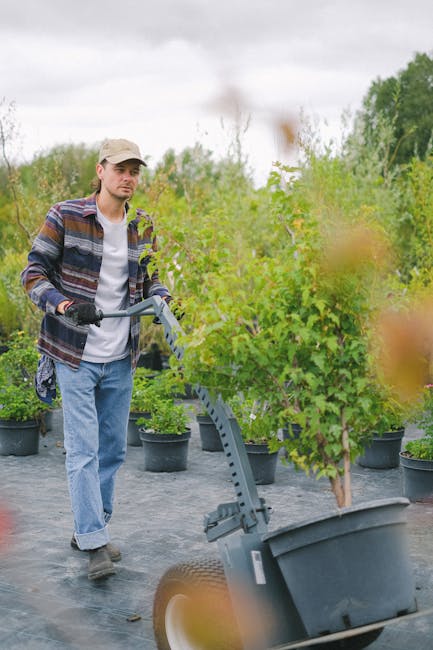
Find gardeners near Crews Hill nurseries for heavy plant moves
If you are trying to find gardeners near Crews Hill nurseries for heavy plant moves, you are probably dealing with more than a simple bit of lifting. It might be a mature olive in a pot that feels like a boulder, a row of sleeper planters, a rootball that needs steady hands, or a delivery that has to be moved without bruising plants or scraping paving. Around Crews Hill, where nurseries, garden centres, and larger landscaped gardens often sit side by side, the job can quickly become a two-person or even three-person task.
This guide explains what heavy plant moves involve, how local gardeners usually handle them, what to ask before you book, and where the hidden risks tend to show up. To be fair, it is one of those jobs that looks straightforward until you are halfway through it. Then the awkward angles, soft soil, narrow gates, and expensive pots remind you why experience matters.
We will also cover practical tools, safety considerations, common mistakes, and a simple checklist so you can choose the right help with more confidence. If your project is part of a wider garden refresh, you may also find it useful to explore general gardening services and the team's landscaping support for larger site work.
Table of Contents
- Why this matters near Crews Hill
- How heavy plant moves are handled
- Key benefits and practical advantages
- Who this is for and when it makes sense
- Step-by-step guidance
- Expert tips for better results
- Common mistakes to avoid
- Tools, resources and recommendations
- Law, compliance and best practice
- Options and comparison table
- Real-world example
- Practical checklist
- Conclusion
- Frequently asked questions
Why Find gardeners near Crews Hill nurseries for heavy plant moves Matters
Crews Hill has a strong gardening identity, and that changes the sort of support people need. You are not just moving a bag of compost or a few trays of bedding plants. Often, the work involves nursery stock, established shrubs, large specimen pots, trees in containers, stone planters, or awkward items that need careful handling through tight access points. A standard general labour job can be fine for light lifting, but heavy plant moves need judgement as much as muscle.
There is also the location factor. Nursery sites, trading yards, driveways, and garden entrances around Crews Hill can be busy, uneven, or partially restricted. You may need someone who can work calmly around vehicles, trolleys, wet paving, and fragile stems without turning the morning into a scramble. Nobody wants a cracked terracotta urn or a snapped bay tree because the route was not planned properly.
Another reason it matters is plant health. Large plants are stressed easily. Their rootballs dry out faster than people expect, branches catch on walls, and poor lifting can disturb the root zone. A skilled gardener knows that the move is not just about transport. It is about keeping the plant viable after the move, which is a slightly different skill altogether.
Practical takeaway: the best heavy plant move is the one that looks almost boring from the outside. No rushing, no dragging, no panic. Just careful planning, the right equipment, and a steady pair of hands.
How Find gardeners near Crews Hill nurseries for heavy plant moves Works
The process usually starts with a site assessment. A gardener will want to know what is being moved, how far it needs to travel, whether it is going indoors or outdoors, and whether there are steps, gravel, slopes, or narrow gaps along the way. That first conversation matters more than many people think. It is where the job is properly defined.
From there, the move is usually broken into a few simple stages:
- Identify the plant or object: size, shape, weight, pot material, and fragility.
- Check access: gates, paths, door widths, turning space, overhead obstructions, and surface grip.
- Choose the handling method: team lift, trolley, plant dolly, sack truck, or short carry by hand.
- Prepare the route: clear debris, protect floors, open gates, and plan the resting points.
- Move slowly and secure the load: no sudden pulls, no tipping, no unnecessary twisting.
- Set the plant in place: level the pot, water if needed, and check stability once it is settled.
For larger garden overhauls, the move may happen alongside pruning, border clearing, or general tidying. If that is your situation, a service that already understands wider garden management can be helpful. You can see the sort of ongoing support available through garden maintenance, which often pairs well with heavy relocations.
The best local gardeners will also think about aftermath. A big plant that has been moved on a cold, damp afternoon in winter may need a sheltered spell, while a sun-exposed container could need temporary shading after the move. The job is not really over when the plant lands. Not quite.
Key Benefits and Practical Advantages
Hiring the right gardener for a heavy plant move does more than save your back. It protects the investment you have already made in mature plants, special containers, and hard landscaping. That is the first obvious benefit. There are a few others that are easy to miss at the quoting stage.
- Less damage: trained handling reduces the chance of cracked pots, snapped branches, and crushed rootballs.
- Better planning: experienced gardeners spot access problems before the move starts.
- Safer working: lifting heavy or awkward loads is less risky when it is done properly.
- Time saved: what might take you a stressful afternoon can often be completed more efficiently.
- Cleaner finish: route protection, tidy placement, and post-move checks all help the result look deliberate rather than improvised.
There is also a practical commercial benefit for people buying from nearby nurseries. If you are choosing larger stock because you want instant impact, then the move itself becomes part of the overall purchase. A mature plant is not really a "buy and carry" item. It is more like a carefully handled installation. That mindset helps avoid disappointment later.
And yes, it can save money in the long run. A badly lifted plant that fails to establish, or a pot that breaks on the way to its new spot, is the sort of small disaster that stings more than it should. Let's face it, garden gear is never as cheap to replace as we tell ourselves it will be.
Who This Is For and When It Makes Sense
This service suits a surprisingly wide range of people. Homeowners are the most obvious group, but they are not the only ones. Gardeners near Crews Hill nurseries for heavy plant moves are often helping people who have one or more of the following situations:
- large potted shrubs, olives, bay trees, or palms that need repositioning
- specimen plants bought from a nursery that need careful loading and unloading
- heavy containers or planters that need moving across the garden
- plants being shifted before landscaping work or patio changes
- garden redesigns where mature planting needs to be saved and reused
- seasonal moves for frost protection, wind protection, or better light
- commercial or display planting where presentation matters
If your garden includes climbing plants, structured borders, or privacy planting, the heavy move may also trigger other work. For example, an ivy-covered wall may need attention before anything else happens. In that kind of case, reading about how to remove ivy properly can help you understand the knock-on tasks.
It makes sense when the risk of doing it yourself is higher than the cost of getting help. That is a simple rule, but a useful one. If the object is too heavy to control safely, too valuable to risk, or too awkward to move with standard household gear, book help. No drama. Just common sense.
Step-by-Step Guidance
Here is the cleanest way to organise a heavy plant move so the day runs smoothly.
- List the items to be moved. Note height, width, pot size, and whether the plant has a fragile crown or trailing growth.
- Measure the access route. Check gates, doors, steps, corners, and surface conditions. A route that seems fine from memory can be less friendly in reality.
- Decide whether the plant can be lifted at all. Some containers are better moved on a dolly, trolley, or skid rather than hand-carried.
- Prepare the plant. Water lightly if needed, remove loose debris, and tie back delicate growth where sensible.
- Protect the route. Use boards, mats, or temporary coverings where floors, paving, or decking could be scratched.
- Lift with a plan. Agree who leads, who stabilises, and where to pause if the load shifts.
- Move slowly and communicate. Short instructions are best: stop, turn, lower, hold. No speeches required.
- Settle the plant into its new position. Check level, balance, drainage, and light exposure.
- Observe for a few days. Look for stress, wind-rock, drying, or instability after the move.
If the plant is part of a bigger refresh, you may want support for borders, path edges, or raised features too. That is where landscaping support can sit nicely alongside the move itself.
One small but important point: if a nursery plant is still in trade packaging or a nursery pot, keep it upright during transport. A tilted rootball can create hidden settling problems that only show up later, usually after you have finished and relaxed. Annoying, that.
Expert Tips for Better Results
These are the sorts of details that tend to make a good job feel effortless.
- Move early in the day if possible. Plants are usually less stressed before heat, wind, and heavy foot traffic build up.
- Use the right lifting height. Trying to deadlift a big pot from the ground is asking for trouble. Raise, tilt, slide, or wheel where you can.
- Watch the weather. A breezy day can catch foliage and make a tall plant much harder to control than you expect.
- Trim only what is necessary. Over-pruning before a move can reduce stress in some cases, but heavy cutting should not be done casually.
- Plan the landing spot first. It is easier to prepare the final position before the move than to shuffle a 90-kilo planter around at the end.
- Keep water, ties, and tools nearby. Small things help. It sounds obvious, but when the pot is halfway through a gate, obvious things vanish.
We also recommend thinking about seasonal care. If the move happens in colder months, aftercare matters more than usual. A plant may need shelter from wind or freezing nights, and a recently moved root system can be a little vulnerable. Our guide on keeping plants healthy as winter approaches is useful background if you are planning a late-season relocation.
And here is a human truth: sometimes the smartest choice is to slow the whole job down by ten minutes. That can be the difference between a tidy move and a messy rescue. Small pause, big difference.
Common Mistakes to Avoid
Heavy plant moves go wrong for predictable reasons. The good news is that most of them are avoidable.
- Underestimating the weight. Wet compost, ceramic pots, and mature root systems can surprise people every single time.
- Forgetting access issues. A plant may fit through a gate on paper, then catch on a turn, handle, or low branch.
- Dragging instead of lifting or wheeling. This is how floors, paving, and even the plant itself get damaged.
- Ignoring the plant's shape. Tall plants can become top-heavy, especially when moved on uneven ground.
- Skipping post-move support. A plant may need re-staking, watering, or a temporary wind break.
- Choosing help only on price. Cheapest is not always cheapest once repairs enter the picture.
Another mistake is treating all gardeners as if they offer the same kind of heavy-lifting support. Some are brilliant at planting, pruning, and border work but may not be set up for bulky moves. Others are better equipped for the physical side. Ask, plainly, what they have handled before. That question saves awkwardness later.
If weeds, tangled groundcover, or overgrown borders are also in the way, it is worth clearing them first rather than trying to thread a big plant through a cluttered space. A little prep goes a long way. So does patience.
Tools, Resources and Recommendations
You do not need a warehouse of kit for a heavy plant move, but the right tools make everything less stressful. In practice, gardeners often rely on a mix of lifting and protection equipment.
| Tool or item | Best use | Why it helps |
|---|---|---|
| Plant trolley or dolly | Moving heavy pots across flat surfaces | Reduces carrying and protects backs |
| Sack truck or hand truck | Taller pots, bags, and boxed items | Offers stability for upright loads |
| Lifting straps | Team lifting awkward containers | Improves control and grip |
| Floor protection mats | Indoor routes or delicate paving | Limits scratches and scuffs |
| Temporary ties or soft twine | Securing loose growth | Prevents snagging and stem damage |
| Watering can or hose | Aftercare once the plant is in place | Helps the plant settle after the move |
For practical background on what competent gardeners tend to carry as standard, it is worth looking at the essential tools gardeners rely on. If your move is part of a broader tidy-up, you might also benefit from advice on simple ideas that save time and money in the garden.
Resource-wise, the most useful thing is not a gadget. It is a plan. A measured route, a realistic estimate of weight, and enough hands for the job. That combination beats improvisation every time.
Law, Compliance and Best Practice
For a private garden move, there is usually no complicated legal hurdle, but there are still basic duties of care. Anyone carrying heavy items for work should take reasonable steps to avoid injury and prevent damage to property. In the UK, that generally means sensible manual handling practice, clear communication, and not asking people to lift beyond what is safe for the situation.
Good practice also includes checking whether the route crosses shared access, communal paths, or public-facing areas. If a move affects neighbours, delivery drivers, or passers-by, it should be planned so nobody is put at risk. This is especially relevant around busy nursery-style premises where vehicles may be loading and unloading at the same time.
Insurance is another point worth asking about. You do not need a lecture, just confirmation that the gardener or company has appropriate cover for the type of work they carry out. If a heavy pot is dropped on a step or a path gets chipped, you want a clear process rather than an awkward guess-and-hope approach. The site's own insurance and safety information is a sensible place to understand how a professional service frames these responsibilities.
Finally, best practice means being honest about limits. If a job feels like it needs specialist lifting equipment, more labour, or a different type of contractor input, it is better to say so early. There is no prize for pretending a rootball is "probably fine". It often isn't.
Options, Methods, or Comparison Table
When you are deciding how to move a heavy plant, there are usually three practical options. The right one depends on weight, route, and how much risk you are willing to take.
| Method | Best for | Pros | Limitations |
|---|---|---|---|
| Manual team lift | Short carries, awkward but manageable items | Flexible, quick, low equipment needs | Higher strain, needs coordination |
| Wheeled transport | Heavy pots on level or mostly level routes | Less physical effort, better control | Needs smooth surface and good balance |
| Mixed method | Complex moves with turns, steps, or tight access | Most adaptable, often safest | Takes planning and the right kit |
In real life, the mixed method is often the winner. A plant may be wheeled across the drive, lifted over a threshold, then carefully set down and rotated into place. That kind of flexibility is what makes a local gardener useful. Not rigid process. Judgment.
If the move is linked to a cleaner, more usable outdoor space, the job may sit alongside boundary work or refreshes to surrounding structures. In that case, it can make sense to review fencing options as part of the wider plan, especially where access or privacy is changing at the same time.
Case Study or Real-World Example
A good example is a homeowner who had bought two large evergreen shrubs from a Crews Hill nursery and needed them moved from a driveway to a raised border at the back of the house. On paper, each plant looked manageable enough. In practice, the pots were wider than expected, the driveway had a slight camber, and the route into the garden included one narrow turn and a single step.
The gardener did not start by lifting. They started by clearing the path, checking the turn, and deciding the plants should be moved one at a time using a dolly for the longest stretch. A second person steadied the load at the step. Once in the border, the plants were spaced, watered, and lightly staked against wind movement. The whole thing took less drama than the owner had feared, and the shrubs settled in well.
The small lesson here is obvious, but worth saying: the move was successful because the plan matched the site. Not the other way around. That is usually how good garden work feels once you see it done properly. Calm, measured, unflashy.
If the same garden had also been overrun with old growth and neglected areas, the job may have grown into a broader restoration. In that scenario, a service approach informed by garden overhaul thinking would be useful, because heavy moves often sit inside a bigger reset.
Practical Checklist
Use this simple checklist before booking or starting a heavy plant move.
- Confirm what is being moved and estimate the weight.
- Measure the narrowest part of the route.
- Check for steps, slopes, loose gravel, and wet surfaces.
- Decide whether a trolley, dolly, or team lift is needed.
- Protect paving, flooring, or decking where necessary.
- Clear obstacles, pots, tools, and trailing hoses from the path.
- Check the final position for light, drainage, and stability.
- Ask about experience with large nursery stock and fragile containers.
- Ask whether insurance and safe working practices are in place.
- Plan aftercare for the first few days after the move.
One extra thought: if the move is part of a seasonal tidy, do the tidy first. You will move faster and with fewer mishaps if the route is clear and the destination is ready. It sounds almost too simple, but that is often the difference between smooth work and unnecessary frustration.
Get a free quote today and see how much you can save.
Conclusion
When you need to find gardeners near Crews Hill nurseries for heavy plant moves, the real goal is not just to move something heavy. It is to move it safely, protect the plant, avoid damage, and make sure the result still looks good the next day, and the week after that. Good gardeners bring more than strength. They bring pace, planning, and the confidence to handle awkward jobs without turning them into a spectacle.
That is especially important in Crews Hill, where nursery purchases can be larger, more established, and more valuable than the usual garden centre buy. Whether you are shifting one specimen pot or coordinating a bigger garden update, a careful approach pays off. Honestly, it usually pays off twice: once in the quality of the move, and again in the peace of mind afterwards.
If you are still weighing up the job, take a moment to look at the wider service fit and the support available through the team's about page and get in touch directly here when you are ready. A short conversation now can save a lot of heavy lifting later. And that is no bad thing.
Frequently Asked Questions
What counts as a heavy plant move?
Usually, anything too large, awkward, or fragile to move comfortably by hand without risk. That can include large pots, mature shrubs, trees in containers, stone planters, and nursery stock that needs careful transport.
Can gardeners near Crews Hill nurseries move large pots safely?
Yes, if they have the right approach, enough help, and suitable tools. The key is not brute force. It is route planning, balance, and protecting both the plant and the surface under it.
Do I need specialist equipment for a heavy plant move?
Not always, but it helps. A plant dolly, trolley, lifting straps, or floor protection can make a big difference. The more awkward the route, the more useful proper equipment becomes.
How do I know if a plant is too heavy to move myself?
If you cannot keep it controlled, cannot see a safe route, or need to twist while carrying, that is a good sign to stop and ask for help. If you are already thinking, "this feels a bit much," it probably is.
Will moving a plant damage it?
It can, if the rootball is disturbed, the stems are snagged, or the plant is left unstable afterwards. With careful handling and decent aftercare, many plants settle well after a move.
Is it better to move heavy plants in spring or autumn?
That depends on the plant and the site. Milder conditions often help, but the best timing is usually when the plant can settle without heat stress, hard frost, or strong wind. A gardener can advise based on the plant type.
How much preparation should I do before the gardeners arrive?
Clear the route, identify the destination, and make sure gates or doors can be opened fully. If possible, remove loose obstacles and tell the gardener about any access quirks in advance.
What if the plant needs to go through a narrow gate?
That is exactly the sort of detail to raise early. A good gardener will measure, adjust the route, and decide whether the plant should be tilted, wheeled, or partially lifted in stages.
Should I water the plant before or after the move?
Usually, lightly water if the soil is dry, but avoid making the container waterlogged and even heavier than necessary. After the move, check moisture again and adjust based on the weather.
Do heavy plant moves need insurance cover?
They should be carried out by someone who can explain their approach to risk and cover. It is sensible to ask about insurance when booking any physical garden work, especially where valuable pots or property are involved.
Can heavy plant moves be part of a larger garden redesign?
Absolutely. In fact, that is common. Heavy plant moves often sit alongside border changes, landscaping, pruning, or a general garden refresh, so planning the wider job can save time.
How do I get the best value when comparing gardeners?
Compare experience, equipment, clarity of communication, and how well they understand your route and plant type. Price matters, of course, but so does the likelihood of a clean, stress-free result.